I didn’t mean to open a pottery studio
If you had asked me ten years ago what I'd be doing today, "running a pottery studio in Alameda" would not have made the list.
I worked in tech for a long time. I liked my job, or at least most of it. I liked solving complicated problems and working with smart people. I spent years designing and building software and helping companies figure out how people actually use the things they build.
Eventually, though, work had a way of expanding until it occupied almost every corner of my brain. Even when I wasn't working, I was thinking about work. Every hobby started looking suspiciously like it should become a side project. Every interest had to justify itself somehow.
At some point my therapist suggested I find something that was just for me. No goal, no ambition, no driving toward an end result.
I wish I could tell you there was some deep reason I picked pottery, but there wasn’t. I was just drawn to the mud, the earth, the combination of form and function. And I’d always wanted to learn to throw on the wheel. So I found a week-long wheel throwing intensive at The Crucible in West Oakland, put in for vacation, and showed up on Monday morning having absolutely no idea what I was doing.
I don't remember much from that first day except thinking, "This is way harder than people make it look."
Centering clay seemed almost impossible. I'd watch the instructor make it look effortless, then sit down at my wheel and immediately create something that looked like it was trying to escape. There was clay under my fingernails, on my shoes, in my hair.
I loved it, and not because I was good at it; I absolutely wasn't.
I loved it because, for the first time in a long time, I was doing something where it genuinely didn't matter whether I was good at it.
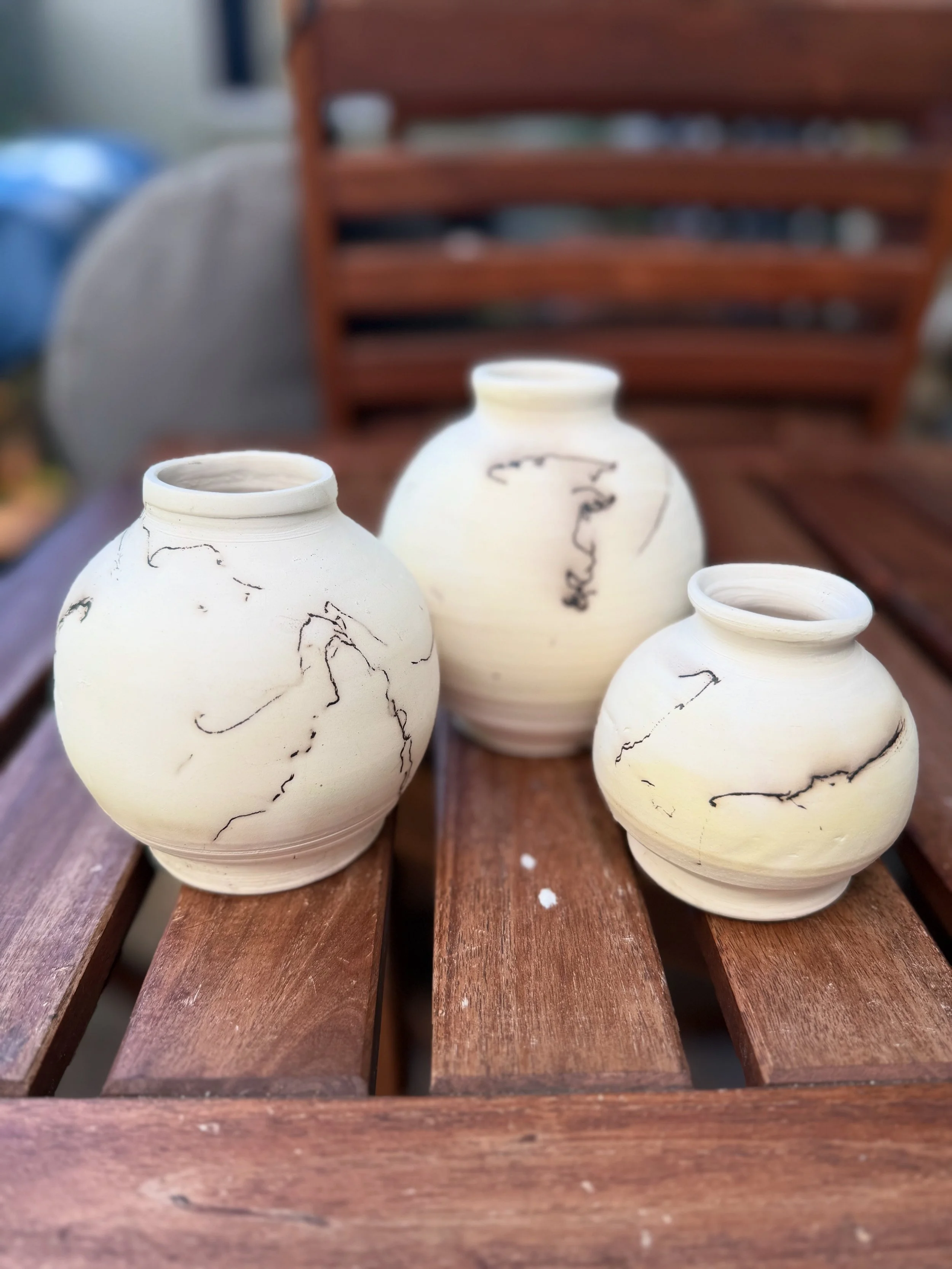
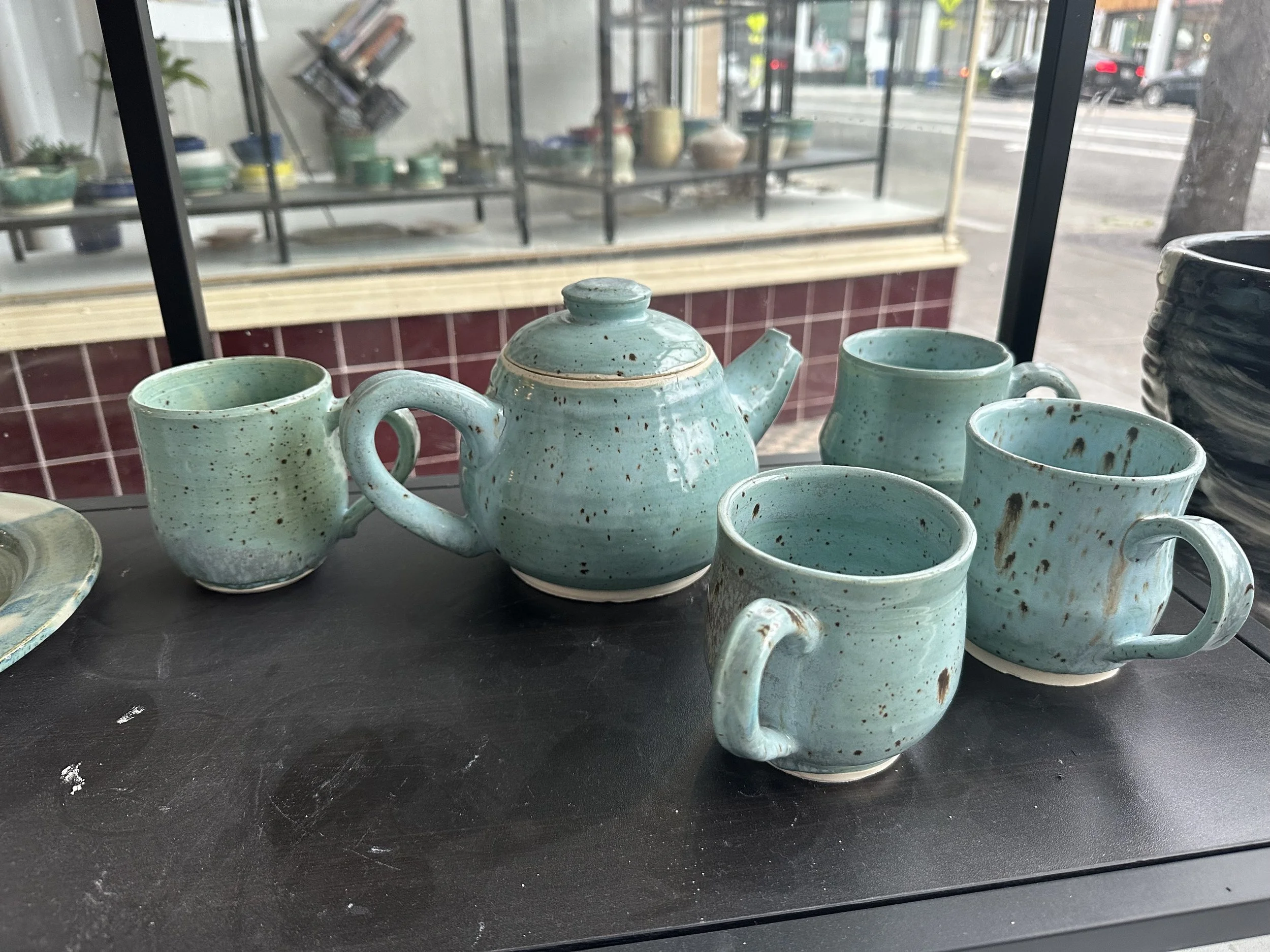
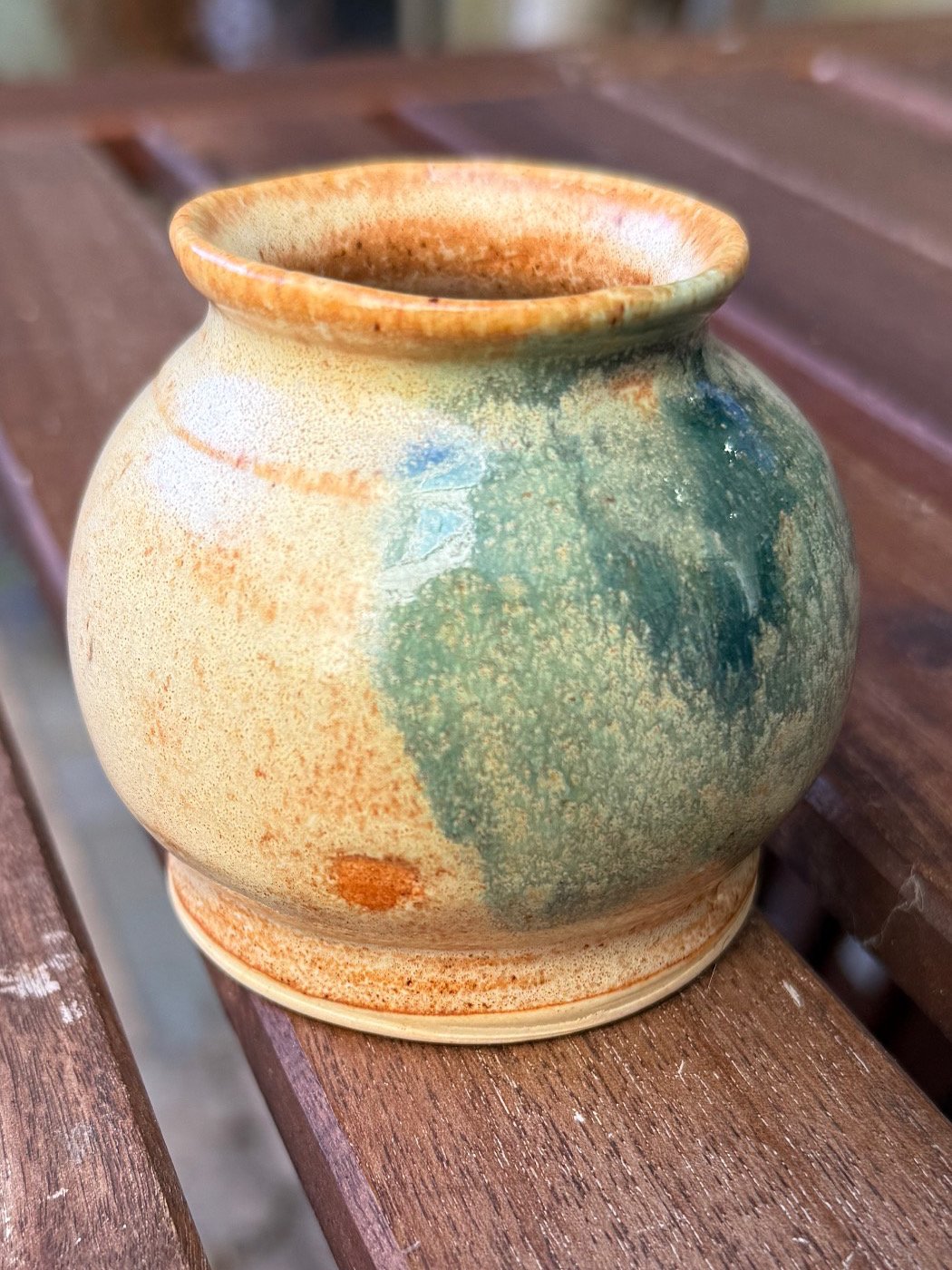
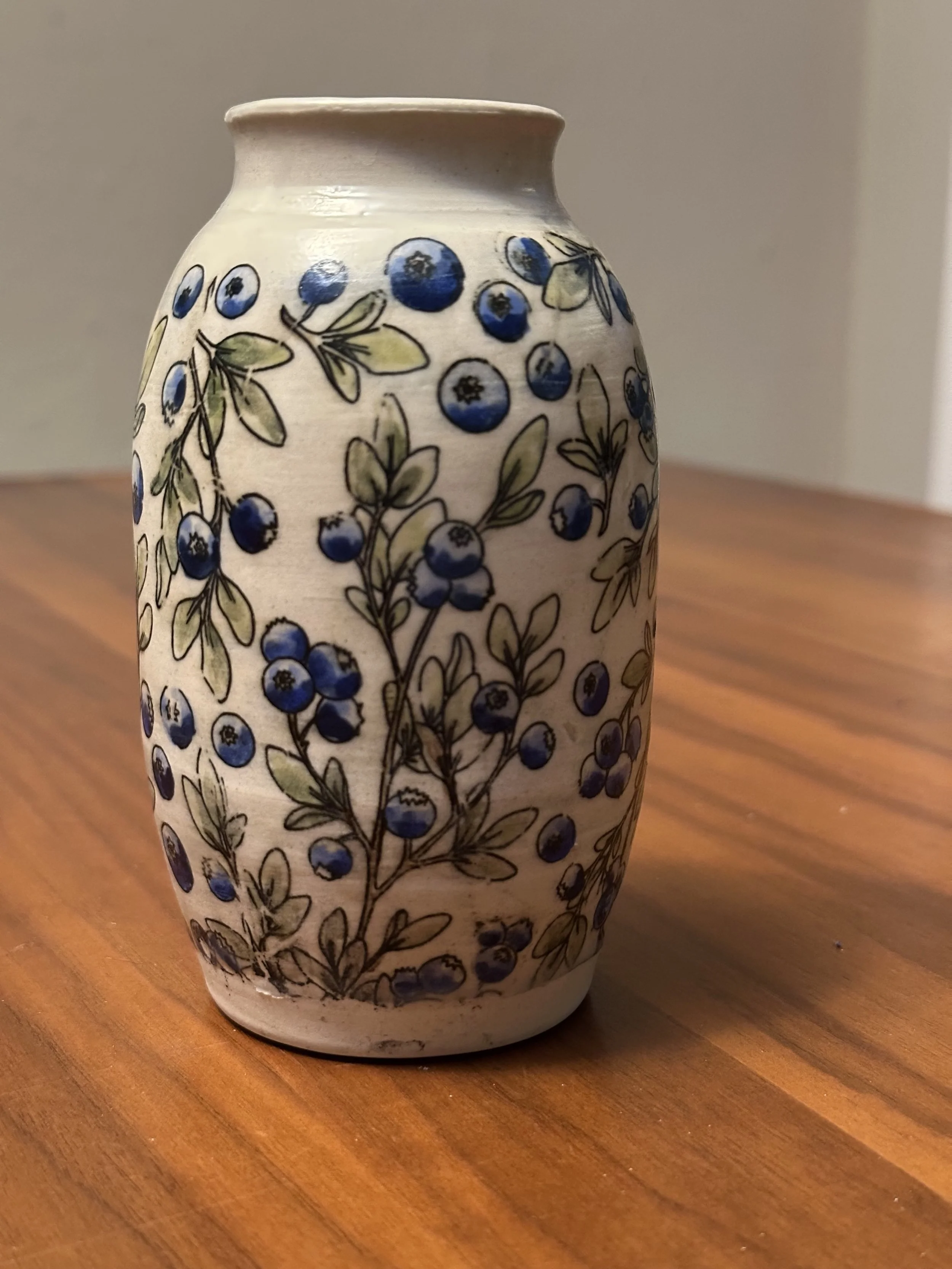
It’s hard being a beginner at things, especially when you’re an adult. We aren’t used to it. You get used to competence.
Then you sit down at a pottery wheel and realize you can't even make a lump of clay stay put.
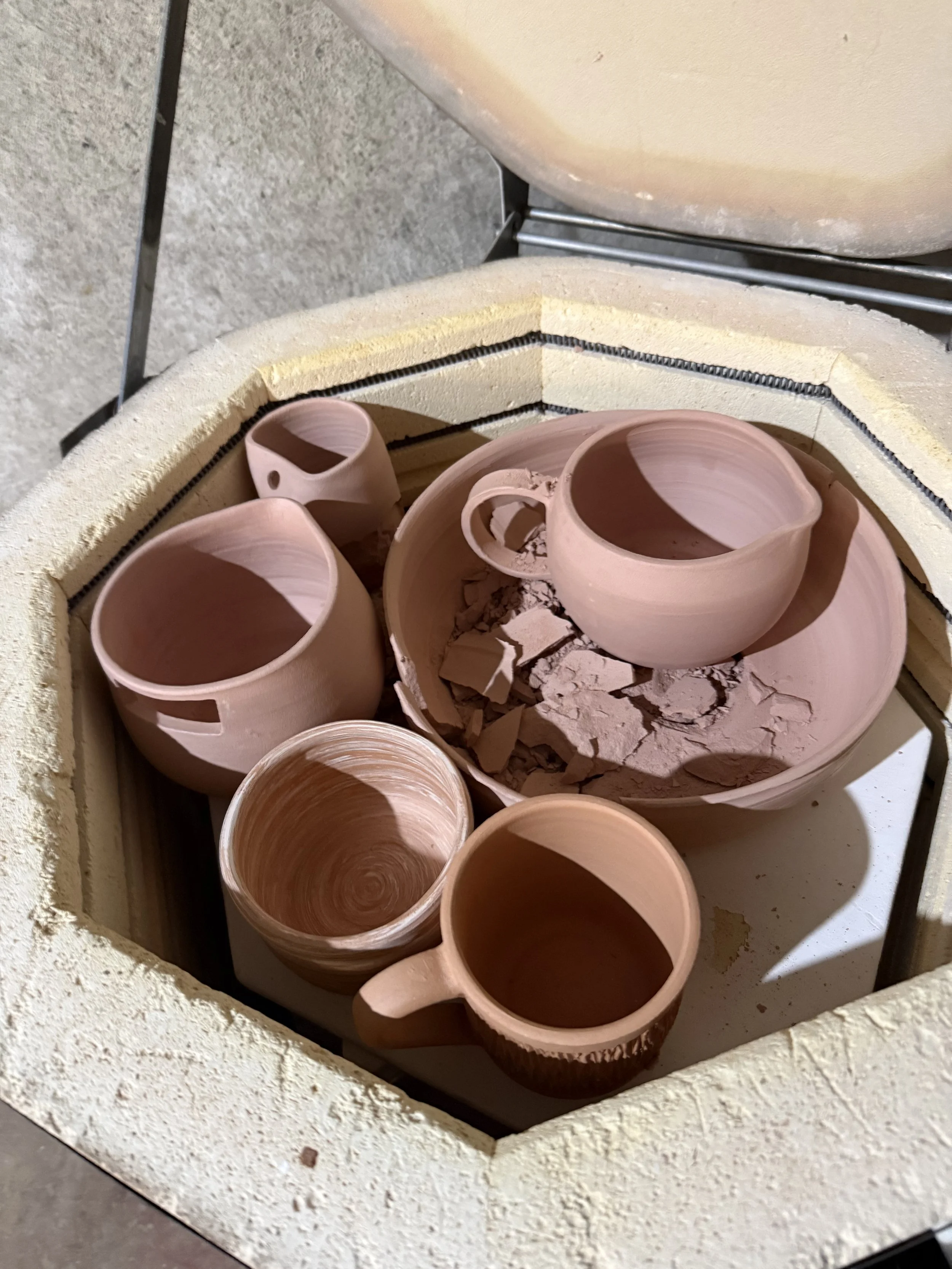
After that first week, I took another class. And then I took another, and another. I took classes at other studios in the area too, and learned from other teachers. Some teachers clicked with me more than others. Some techniques made sense immediately, and others took forever. I made bowls that were too thick, mugs with handles that cracked off, plates that warped in the kiln. I trimmed through more bottoms than I can count. And I’m still working on getting that elusive tall cylinder.
But one thing I noticed surprised me: When I was making art, the rest of my brain mostly shut up.
I'm the kind of person who is usually running three or four conversations in my head at once, and re-hashing decisions and interactions. I'm thinking about systems, projects, things I forgot to do, things I should have said differently yesterday, and what I'm making for dinner.
Clay doesn't leave room for that.
If your left hand is doing one thing and your right hand is doing another, or if your elbows aren’t anchored, the clay tells you immediately. It doesn't care how many years you've spent writing code or leading teams. It doesn't care whether you're having a “productive” week. It just wobbles.
You don't win an argument with physics.
Looking back, I think that's what my therapist was actually trying to give me. I don't think it had to be pottery. It could have been woodworking. Bird watching. Learning to play the fiddle badly.
The point wasn't finding a hobby. The point was finding something that asked for my full attention without asking me to optimize it.
Quickly, pottery quietly became one of the constants in my life. Work changed. Life changed. I kept taking classes, kept making things, kept finding excuses to spend a few hours at the wheel whenever I could. Somewhere along the way I started thinking, "I wish there were more places like this."
Not just places with wheels and kilns. I mean places where it's completely normal to be learning something new as an adult. Where nobody expects you to know what you're doing on day one. Where it's fine if your first bowl is wonky because everyone's first bowl is wonky.
That's the place I wanted to build.
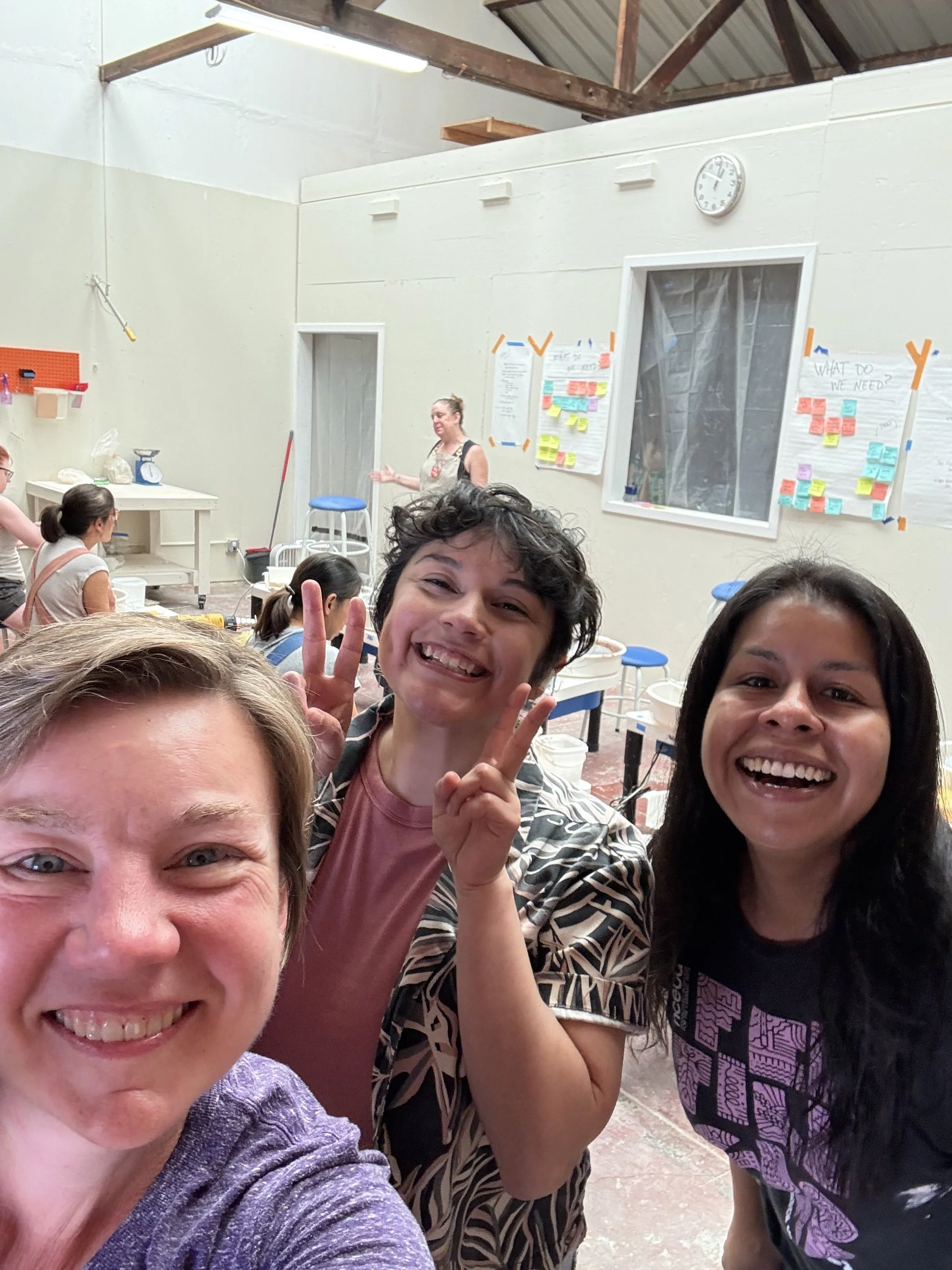
When someone walks into Bay Haven for the first time, I hope they feel the same thing I felt when I started: a little nervous, a little excited, out of my comfort zone, and relieved to discover that nobody is expecting perfection.
Maybe you've been curious about pottery for years and just never got around to signing up. Maybe you've been looking for a creative outlet that doesn't involve a screen. Or maybe you don't have a reason beyond, "It sounded interesting."
I think that's enough.
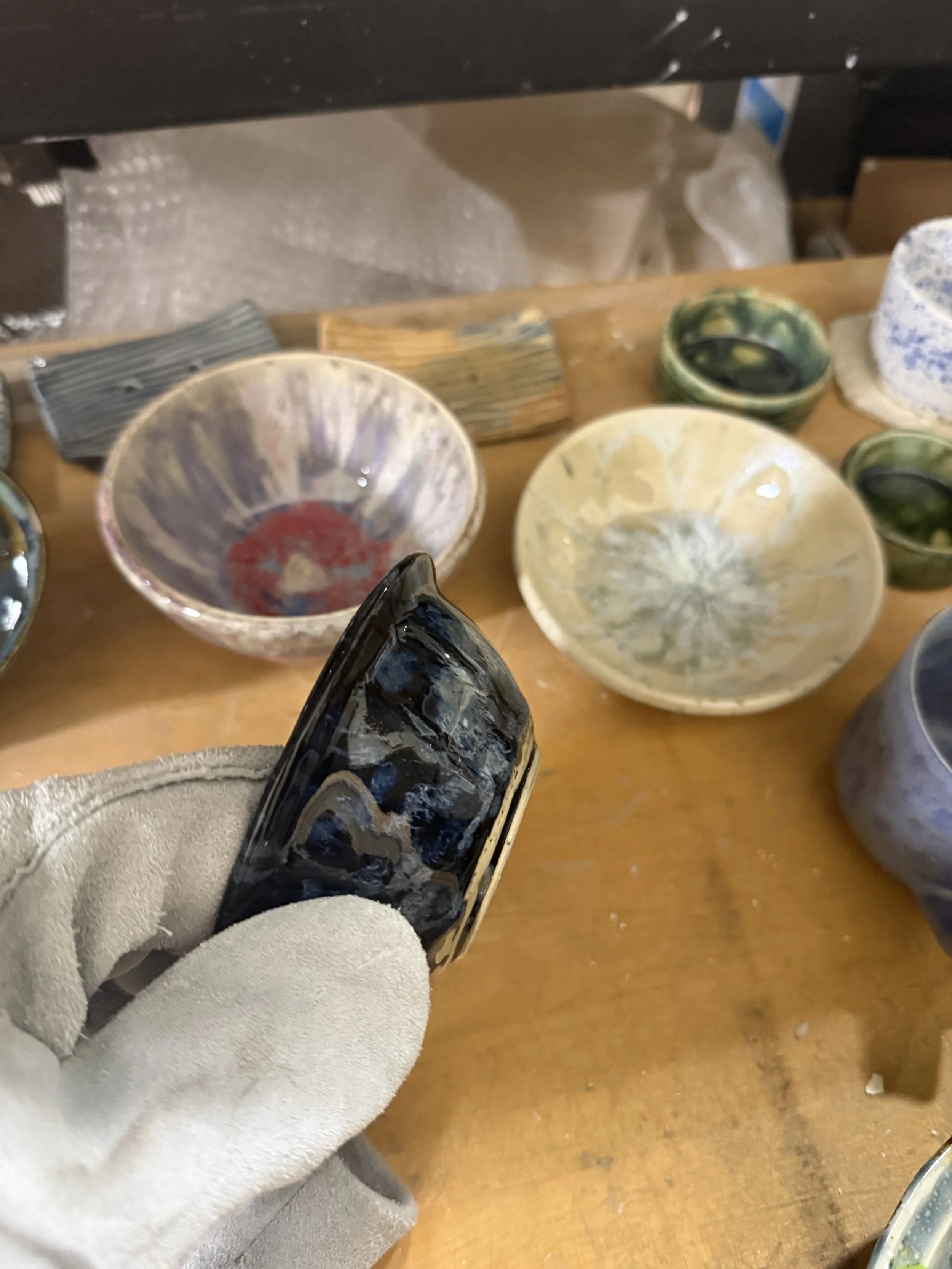
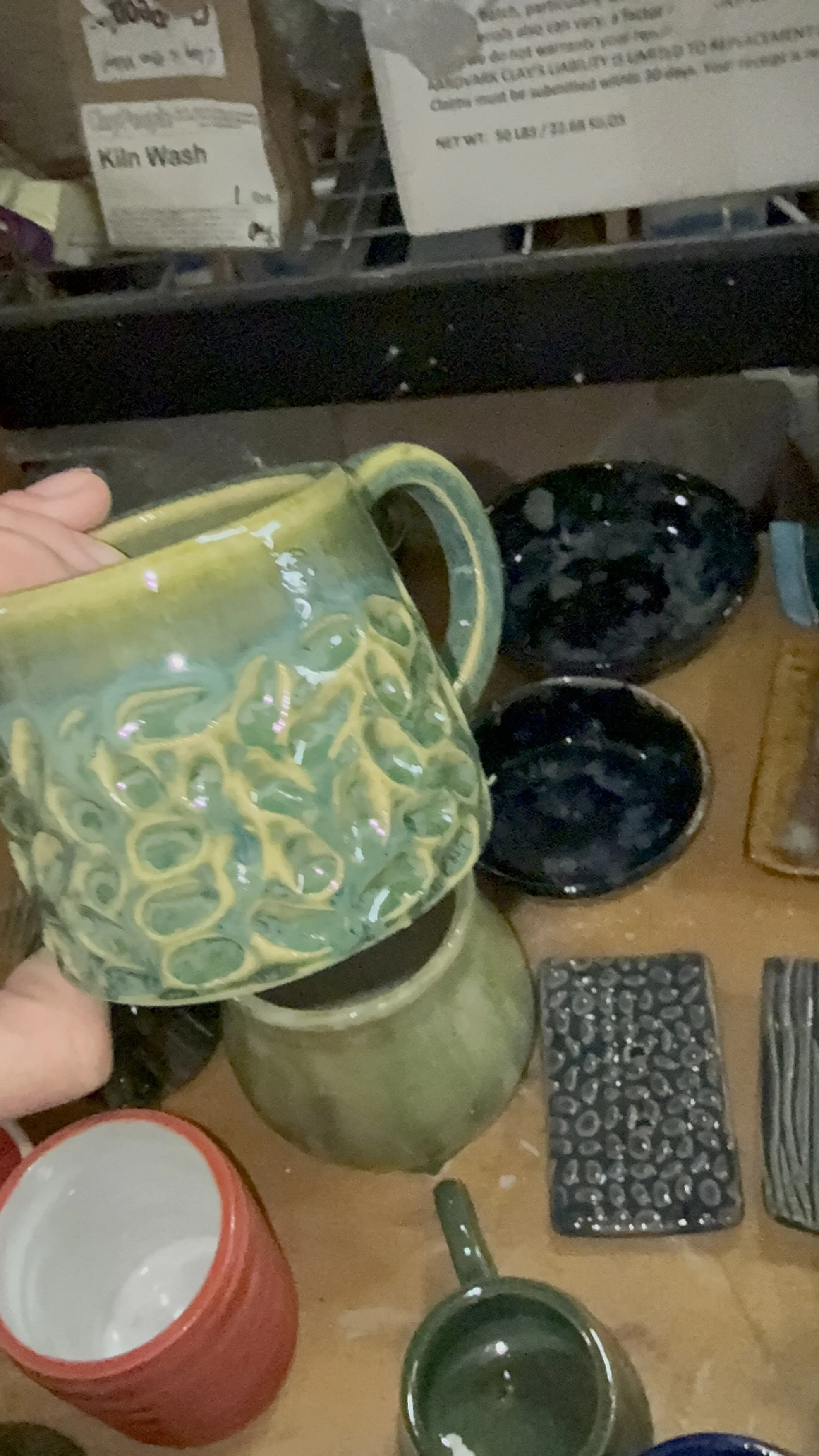
If you decide to take a class at Bay Haven, we'll make some pots together. Some of them will turn out beautifully. Many won't. We'll laugh about the ones that collapse, celebrate the ones that surprise us, and you'll definitely go home with clay under your fingernails, and maybe even in your hair.
My hope is that you leave with something else, too: the feeling that it's still possible to become a beginner again, and that's something worth protecting.
All art requires courage. Let’s be courageous together.
